


- HOMBRES
- MUJERES
- NIÑOS
- STREETWEAR CLUB
- DISEÑADORES
- SALE
NUEVOS
ROPA
ZAPATOS
BOLSOS
ACCESORIOS
JOYERÍA
DISEÑADORES
EDITORIAL
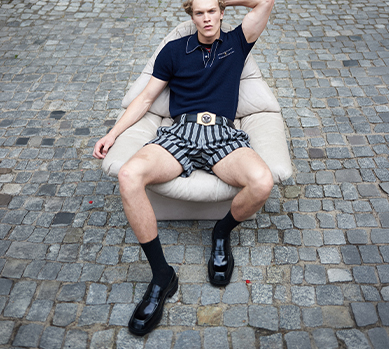
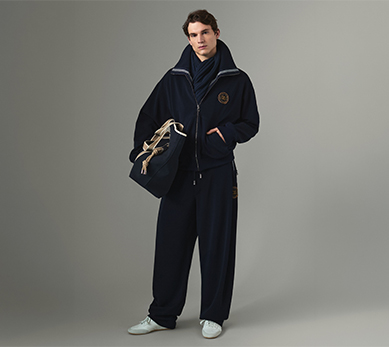
VIAJA CON ESTILO
Lleva tu vestuario veraniego y relajado a cada viaje
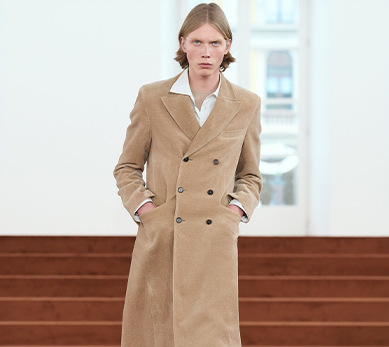
EL MINIMALISMO EN EL CENTRO DE ATENCIÓN
Descubre marcas que perfeccionan el arte de la simplicidad desde hace años
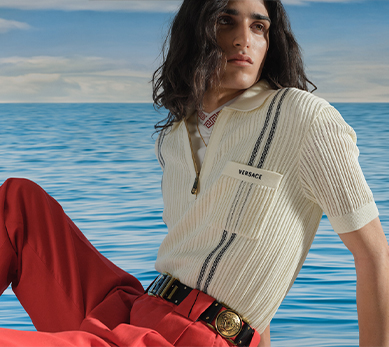
ESENCIALES DE VERANO
¿En la playa o en un exclusivo resort? Descubre qué llevar en tu bolsa de viaje
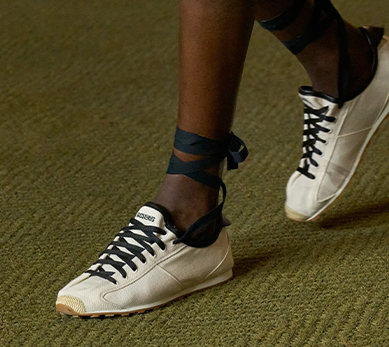
ZAPATOS COMO PROTAGONISTAS
Descubre los modelos más elegantes de la temporada primavera/verano 2026
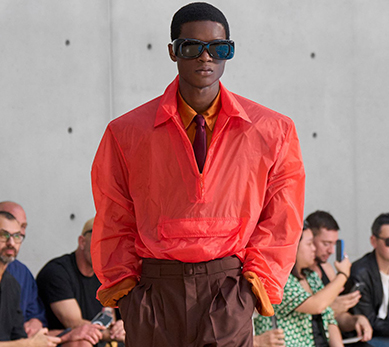
INFORME DE TENDENCIAS SS26
Formas suaves y detalles atrevidos: tendencias en la moda masculina
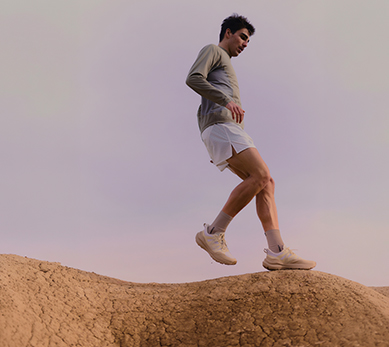
EL DEPORTE ES UN NUEVO LUJO
Ropa diseñada para la acción: desde el entrenamiento hasta el ritmo urbano del día

NUEVOS
ROPA
ZAPATOS
BOLSOS
ACCESORIOS
JOYERÍA
DISEÑADORES
EDITORIAL
OBJETOS DE DESEO
Descubre los accesorios que resaltarán tu personalidad
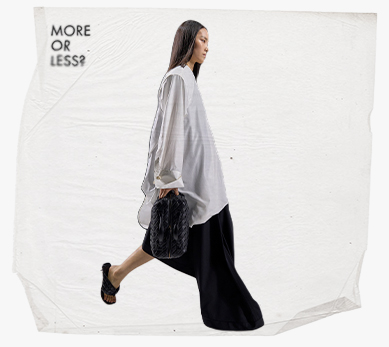
MÁS O MENOS
¿Audaz extravagancia o la fuerza de la simplicidad? ¿Qué estilo eliges?
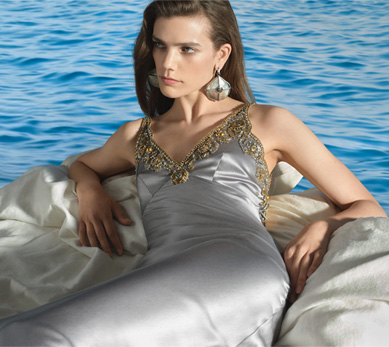
COCKTAIL ATTIRE
Las grandes ocasiones merecen celebrarse con un estilo excepcional. ¡Descubre tus opciones!
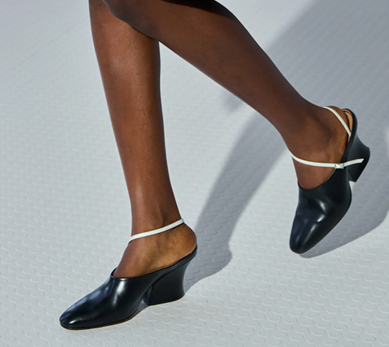
EDICIÓN DE CALZADO SS26
El toque final para cualquier look veraniego. ¿Cuál par eliges?
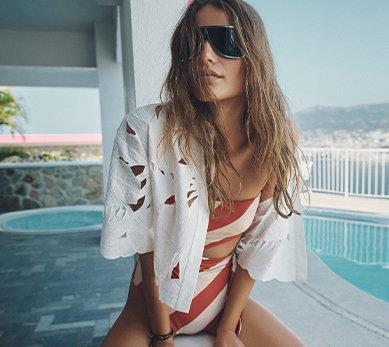
DIRECCIÓN: PLAYA
Descubre el estilo playero que se convierte en una parte esencial del guardarropa de verano
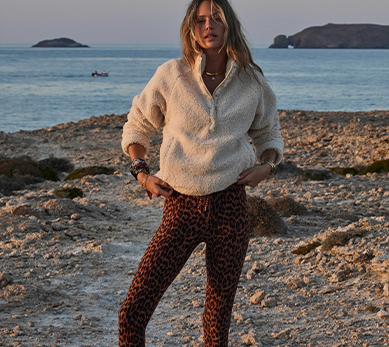
MODA EN MOVIMIENTO
Descubre cómo el rendimiento y el diseño convergen en un armario moderno

NUEVOS
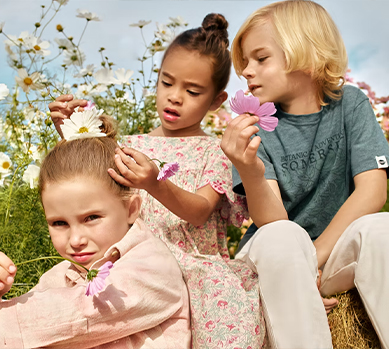
BEBÉ (0-36 MESES)
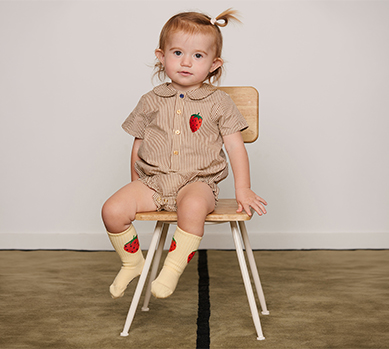
ZAPATOS DE NIÑOS (25-39)
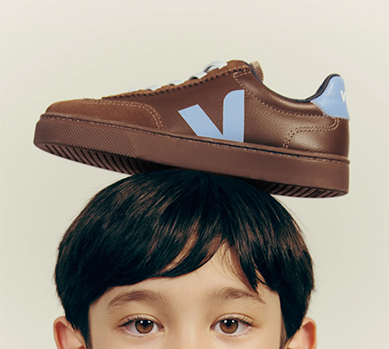
ACCESORIOS PARA NIÑOS
ROPA PARA NIÑAS (4-14 AÑOS)
ROPA PARA NIÑOS (4-14 AÑOS)
DISEÑADORES

VENTA

HOMBRES
MUJERES
NIÑOS
Get the folk out! Embroidery - trend that’s strong as never before.
Fashion Trend report

Folk, Kashubian, richeliu. Flat, raised, overlapping, openwork. Adorned, sensual and ultra-feminine. Regardless of your embroidery of choice, you will definitely hit the jackpot of the designer trends.
Orient express - a brief history of embroideries
The history of the beginnings of embroidering are vaguely known. It is believed, that it is as old as time. It is also understood, that embroidery, just as other sartorial techniques, originated in Asia and it came to Europe therefrom. The Chinese perfected the art of decorating their clothes with precious silk threads, costly gemstones and shimmering pearls. In ancient times, clothes adorned with embroideries were considered a symbol of wealth and high social status.
Embroideries as social status determinant
In Europe, the art of embroidery has not been discovered until the Middle Ages - the craze for handcrafted ornaments came from China with embroidered silk.
Weaving religious patterns and motifs was a common occupation of nuns - but also a pastime for courtiers and maids. In 16th and 17th centuries secular needlework joined the canon.
In Tudor England triumphed both floral motifs and ornaments of no religious value. Golden and silvery strands glistening in the candlelight adorned robes of aristocracy - and they became a sort of jewelry and social status determinant back then - the richer and thicker the embroidery, the wealthier its owner.
A true revolution happened in 18th and 19th centuries when prosperous peasants embellished their formal shirts, pants and capots with floral motifs. At the end of 18th century, embroideries were mainly present on white lingerie garments.
A quite curious form of embroidery was richelieu embroidery (also called by the name of ‘cutwork’) - French form of adornment, named in honour of French statesman Cardinal Richelieu. It was an embroidery with an openwork structure that imitated lace. Magic of embroidery was eradicated by soulless machines at the end of 19th century, that significantly lowered the cost of encrusted fabric.
Embroidery today: towards folklore and granny chic
Type of embroidery is also a defining feature of world’s cultures and a highlight of its own ethnicity. Imagine a whole spectrum of folk embroideries on the traditional Kashubian clothing so different than the ones from Aztec or Indian cultures.
Alessandro Michele, Gucci’s creative director, has been leaning towards embroideries for some time now. The Italian designer promotes so-called granny chic aesthetic - this vintage revolution in fashion that gives grandma’s motifs a feminine character. He especially favoured hand-crafted appliqués and floral embroideries. In a visually pleasing way he infused old-fashioned clothing with a feminine charm, youth and freshness.
The return of embroideries is also seen in Valentino’s lavish, aristocratic designs. Incorporated into silk bomber jackets, rugged and cold business shirts or seductive sheer dresses - they hint at the obsolete approach to fashion - the true art of array, that is not always associated with comfort or easiness.
Today, embroideries are not tied with cultural borders or social status. The ideas we can see on the catwalks nowadays evoke folk motifs but also flaunt silk adornments of the Japanese cherry blossom and grunge appliqués sewn on the rigid masculine forms.


