


- HERREN
- DAMEN
- KINDER
- STREETWEAR CLUB
- DESIGNER
- SALE
NEU
KLEIDUNG
SCHUHE
TASCHEN
ACCESSOIRES
SCHMUCK
DESIGNER
EDITORIAL
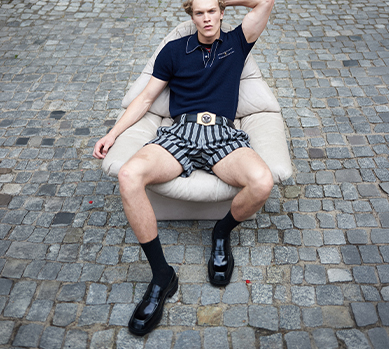
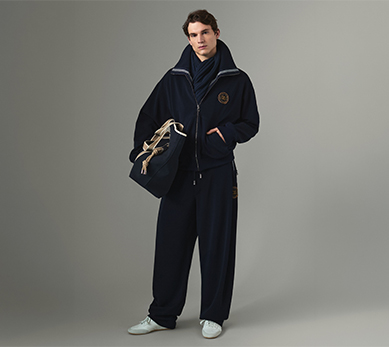
REISEN SIE MIT STIL
Nehmen Sie eine legere, sommerliche Garderobe mit auf jede Reise
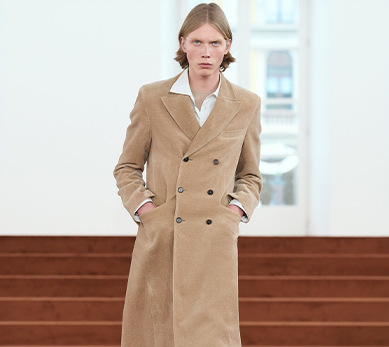
MINIMALISMUS IM MITTELPUNKT
Entdecken Sie Marken, die seit Jahren die Kunst der Einfachheit perfektionieren
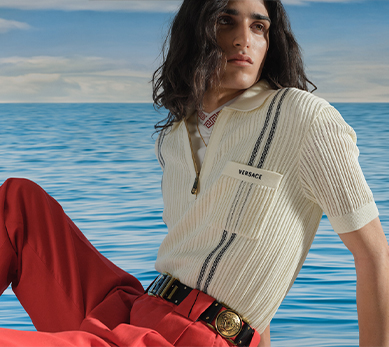
SOMMER-ESSENTIALS
Am Strand oder in einem luxuriösen Resort? Entdecken Sie, was Sie in Ihre Reisetasche packen sollten.
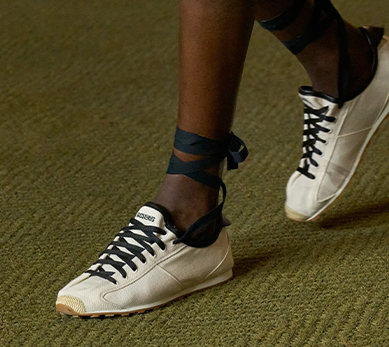
SCHUHE IM RAMPENLICHT
Entdecken Sie die angesagtesten Modelle der Frühling/Sommer-Saison 2026
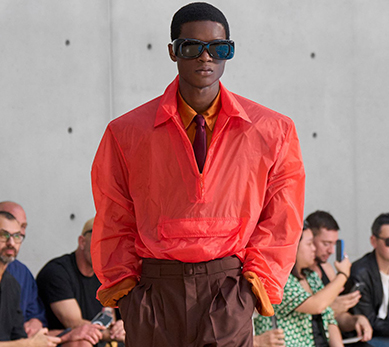
SS26 TRENDREPORT
Weiche Formen und kühne Details – Trends in der Herrenmode
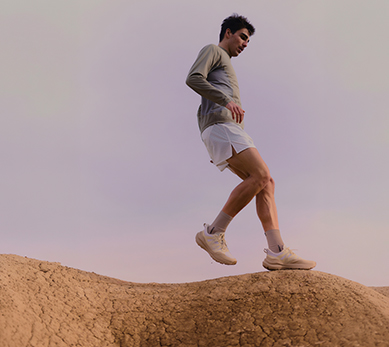
SPORT IST DER NEUE LUXUS
Kleidung für Bewegung – vom Training bis zum urbanen Tagesrhythmus entworfen

NEU
KLEIDUNG
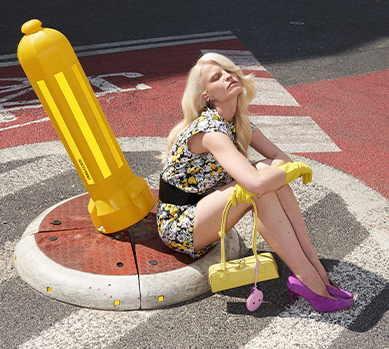
SCHUHE
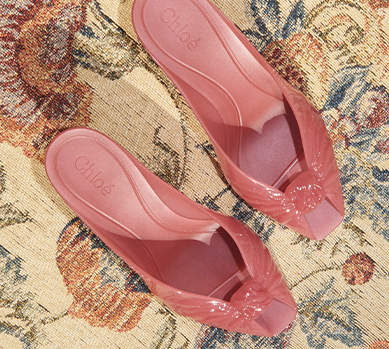
TASCHEN
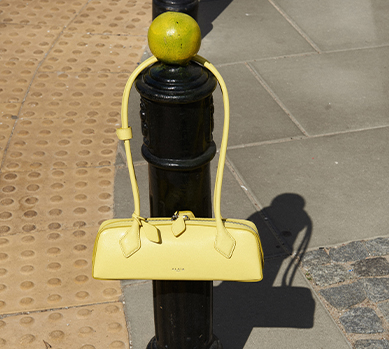
ACCESSOIRES
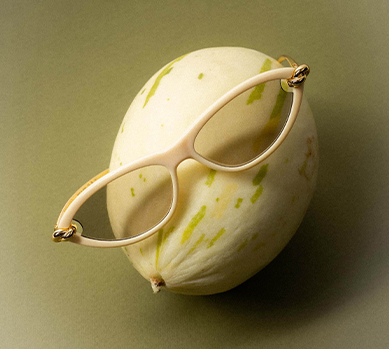
SCHMUCK
DESIGNER
EDITORIAL
OBJEKTE DER BEGIERDE
Entdecke Accessoires, die Deinen Charakter unterstreichen
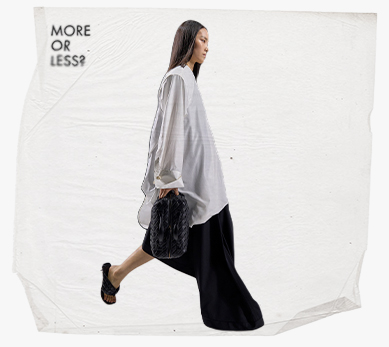
MEHR ODER WENIGER
Kühne Extravaganz oder die Kraft der Schlichtheit? Welchen Stil wählst du?
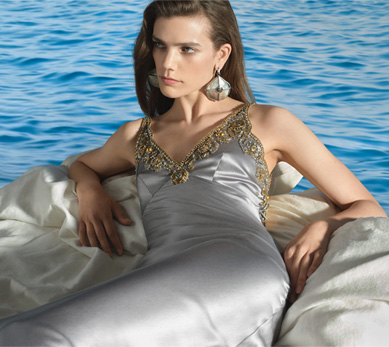
COCKTAIL ATTIRE
Große Anlässe verdienen es, in besonderem Stil gefeiert zu werden. Entdecken Sie Ihre Optionen!
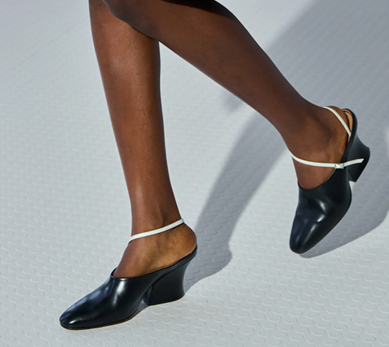
SS26 SCHUHKOLLEKTION
Das i-Tüpfelchen für jeden Sommer-Look. Welches Paar wählst du aus?
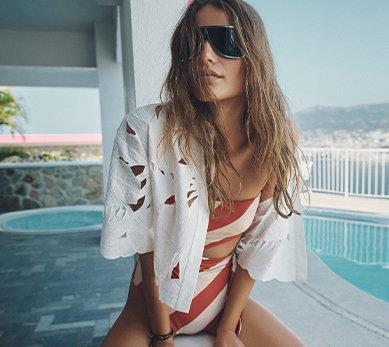
RICHTUNG: STRAND
Entdecke den Strandstil, der zu einem Teil deiner Sommergarderobe wird
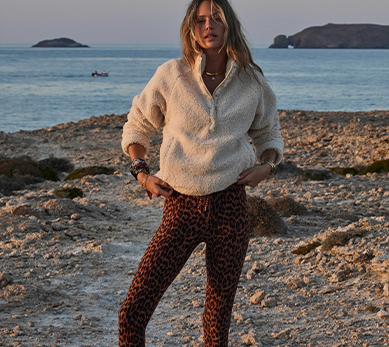
MODE IN BEWEGUNG
Entdecken Sie, wie Performance und Design in einer modernen Garderobe verschmelzen

NEU
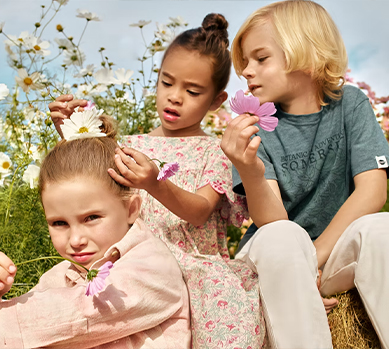
BABY (0-36 MONATE)
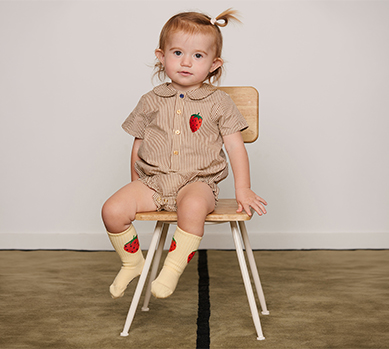
KINDERSCHUHE (25-39)
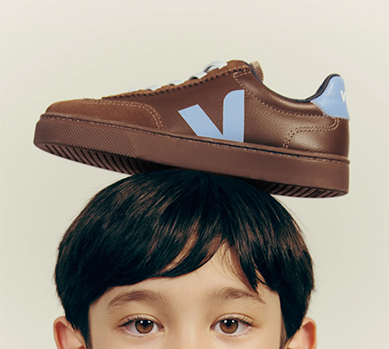
KINDERZUBEHÖR
MÄDCHENKLEIDUNG (4-14 JAHRE)
JUNGENKLEIDUNG (4-14 JAHRE)
DESIGNER
EDITORIAL

SALE

HERREN
DAMEN
KINDER
Get the folk out! Embroidery - trend that’s strong as never before.
Fashion Trend report

Folk, Kashubian, richeliu. Flat, raised, overlapping, openwork. Adorned, sensual and ultra-feminine. Regardless of your embroidery of choice, you will definitely hit the jackpot of the designer trends.
Orient express - a brief history of embroideries
The history of the beginnings of embroidering are vaguely known. It is believed, that it is as old as time. It is also understood, that embroidery, just as other sartorial techniques, originated in Asia and it came to Europe therefrom. The Chinese perfected the art of decorating their clothes with precious silk threads, costly gemstones and shimmering pearls. In ancient times, clothes adorned with embroideries were considered a symbol of wealth and high social status.
Embroideries as social status determinant
In Europe, the art of embroidery has not been discovered until the Middle Ages - the craze for handcrafted ornaments came from China with embroidered silk.
Weaving religious patterns and motifs was a common occupation of nuns - but also a pastime for courtiers and maids. In 16th and 17th centuries secular needlework joined the canon.
In Tudor England triumphed both floral motifs and ornaments of no religious value. Golden and silvery strands glistening in the candlelight adorned robes of aristocracy - and they became a sort of jewelry and social status determinant back then - the richer and thicker the embroidery, the wealthier its owner.
A true revolution happened in 18th and 19th centuries when prosperous peasants embellished their formal shirts, pants and capots with floral motifs. At the end of 18th century, embroideries were mainly present on white lingerie garments.
A quite curious form of embroidery was richelieu embroidery (also called by the name of ‘cutwork’) - French form of adornment, named in honour of French statesman Cardinal Richelieu. It was an embroidery with an openwork structure that imitated lace. Magic of embroidery was eradicated by soulless machines at the end of 19th century, that significantly lowered the cost of encrusted fabric.
Embroidery today: towards folklore and granny chic
Type of embroidery is also a defining feature of world’s cultures and a highlight of its own ethnicity. Imagine a whole spectrum of folk embroideries on the traditional Kashubian clothing so different than the ones from Aztec or Indian cultures.
Alessandro Michele, Gucci’s creative director, has been leaning towards embroideries for some time now. The Italian designer promotes so-called granny chic aesthetic - this vintage revolution in fashion that gives grandma’s motifs a feminine character. He especially favoured hand-crafted appliqués and floral embroideries. In a visually pleasing way he infused old-fashioned clothing with a feminine charm, youth and freshness.
The return of embroideries is also seen in Valentino’s lavish, aristocratic designs. Incorporated into silk bomber jackets, rugged and cold business shirts or seductive sheer dresses - they hint at the obsolete approach to fashion - the true art of array, that is not always associated with comfort or easiness.
Today, embroideries are not tied with cultural borders or social status. The ideas we can see on the catwalks nowadays evoke folk motifs but also flaunt silk adornments of the Japanese cherry blossom and grunge appliqués sewn on the rigid masculine forms.


