- MĘŻCZYŹNI
- KOBIETY
- DZIECI
- STREETWEAR CLUB
- PROJEKTANCI
- SALE
NOWOŚCI
UBRANIA
BUTY
TORBY
AKCESORIA
BIŻUTERIA
PROJEKTANCI
EDITORIAL

NOWOŚCI
UBRANIA
BUTY
TORBY
AKCESORIA
BIŻUTERIA
PROJEKTANCI
EDITORIAL

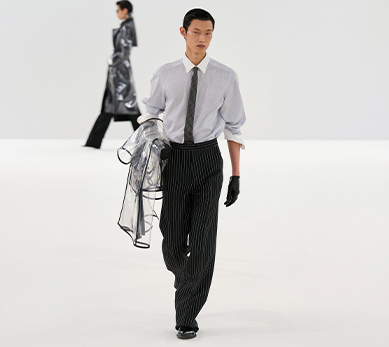
AW26 TREND REPORT
Przygotuj się na jesień i odkryj najważniejsze trendy sezonu
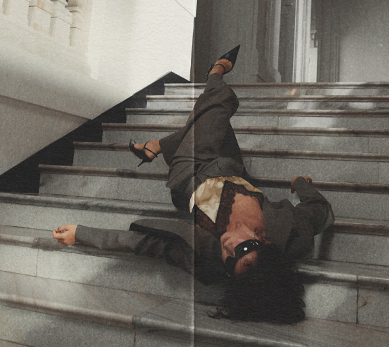
BACK TO OFFICE
Odkryj nowoczesne podejście do biurowego dress code’u

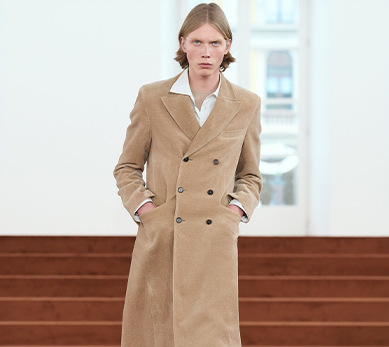
OBIEKTY POŻĄDANIA
Odkryj akcesoria, które podkreślą Twój charakter
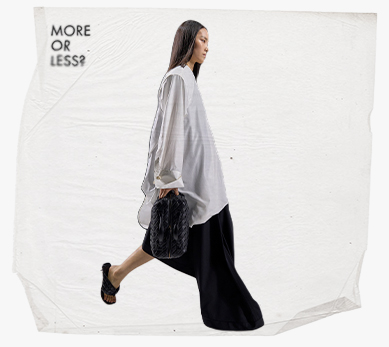
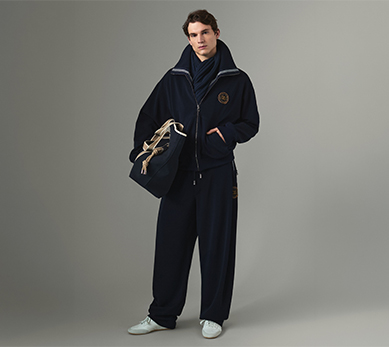
MORE OR LESS
Odważna ekstrawagancja czy siła prostoty? Który styl wybierasz?
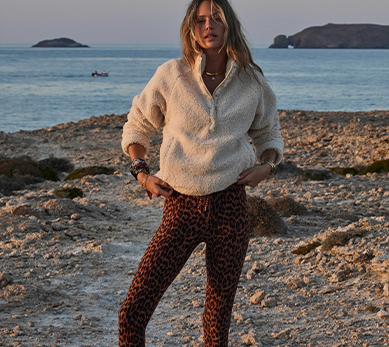
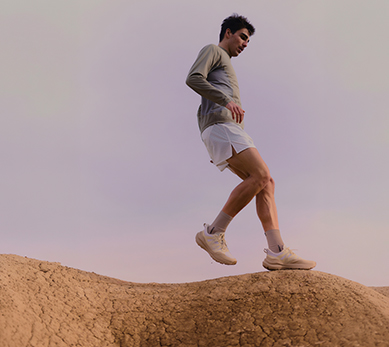
MODA W RUCHU
Odkryj jak performance i design łączą się w nowoczesnej garderobie

NOWOŚCI
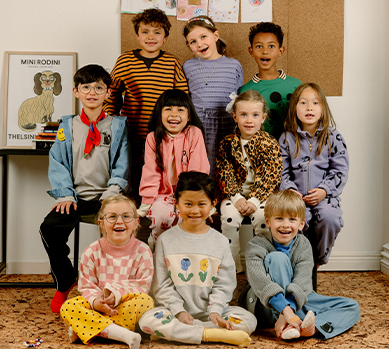
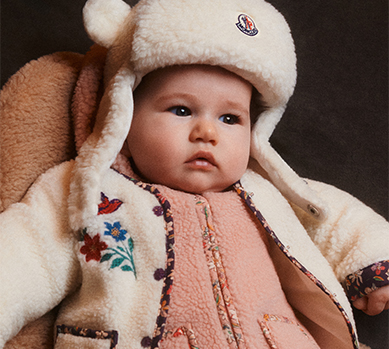
NOWORODEK (0-36 MC)
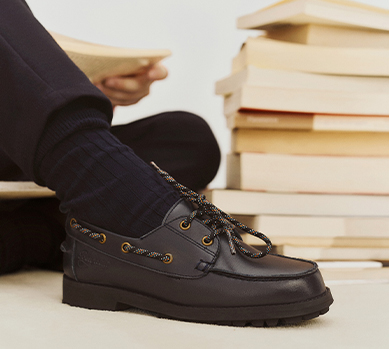
BUTY (25-39)
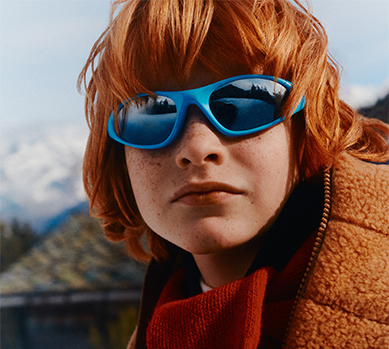
AKCESORIA
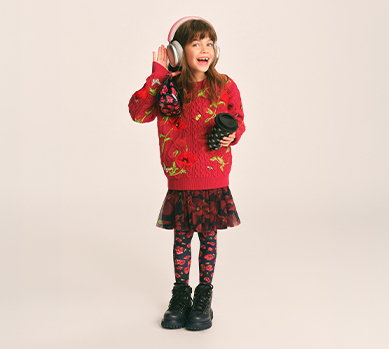
DZIEWCZYNKA UBRANIA (4-14 LAT)
CHŁOPIEC UBRANIA (4-14 LAT)
PROJEKTANCI


MĘŻCZYŹNI
KOBIETY
DZIECI
CHCESZ, ABY TWOJE UBRANIA ZACHOWAŁY
SWÓJ NIESKAZITELNY WYGLĄD NA DŁUGO?
Odpowiednia pielęgnacja odzieży, a już szczególnie tej wykonanej z naturalnych włókien, to klucz do sukcesu ponadczasowej
oraz trwałej garderoby. Aby zachować stan naszych ubrań, trzeba bowiem pamiętać o zasadach dotyczących nie tylko prania, ale
także suszenia, prasowania czy nawet przechowywania. Jeśli jesteście zatem ciekawi, jak o nie dbać, by przez długi czas
wyglądały jak ze sklepowego wieszaka, sprawdźcie nasze wskazówki.
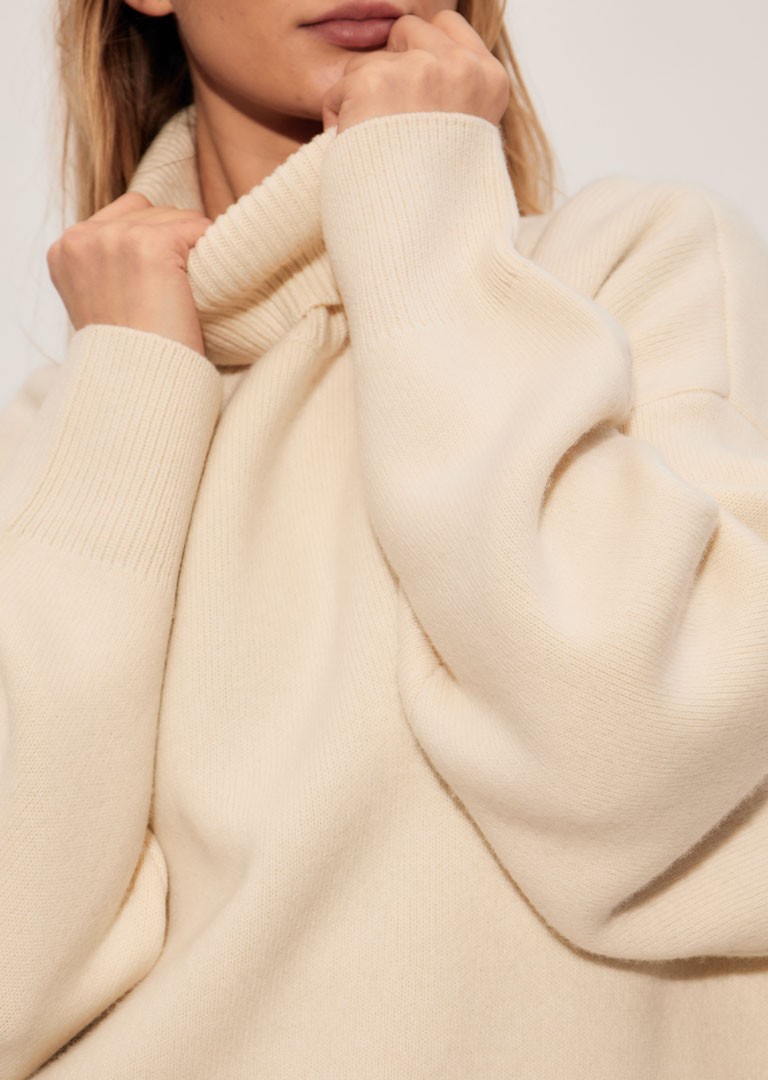
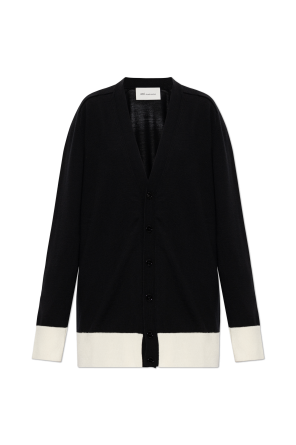
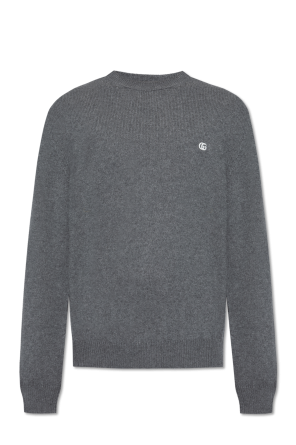
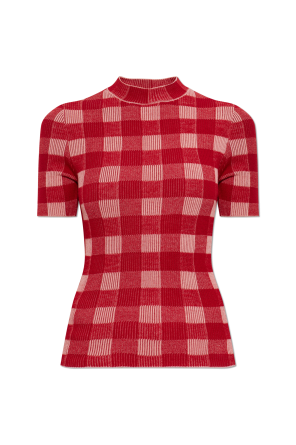
WEŁNA
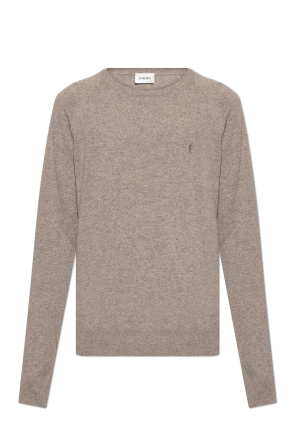
W przypadku czyszczenia lub odświeżania odzieży z wełny, zaleca się pranie ręczne. Róbcie to w zimnej wodzie z wykorzystaniem delikatnych detergentów do tego materiału i unikajcie nadmiernego tarcia lub skręcania, które mogłyby spowodować rozciągnięcie bądź filcowanie. Aby wysuszyć produkt, połóżcie go na suchym ręczniku z dala od bezpośredniego światła słonecznego i zwijając jego końce, spróbujcie ostrożnie wchłonąć nadmiar wody z materiału. Z zasady wełna nie wymaga prasowania, ale jeśli macie taką potrzebę, użyjcie do tego celu żelazka parowego nastawionego na niską temperaturę. Wykorzystajcie również wilgotną szmatkę, aby uchronić odzież przed bezpośrednim działaniem ciepła.
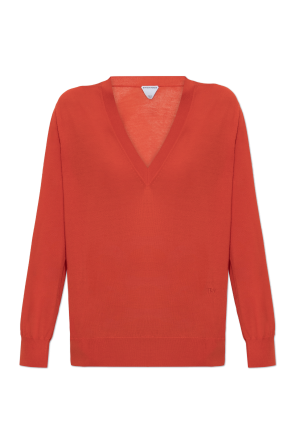
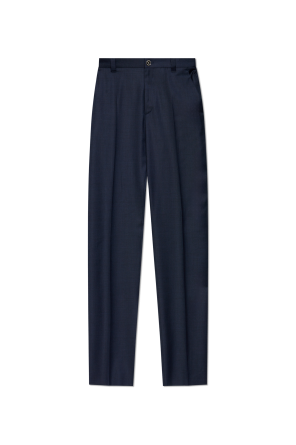
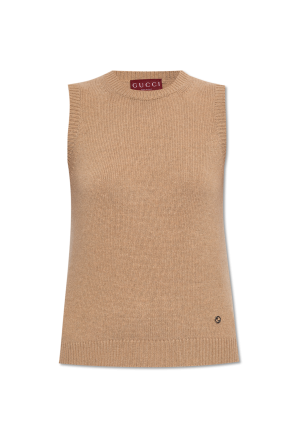
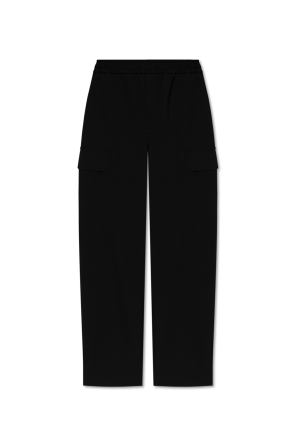
Zobacz najciekawsze wełniane projekty
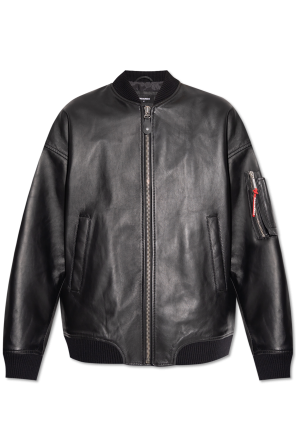
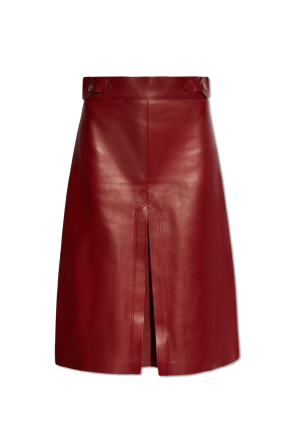
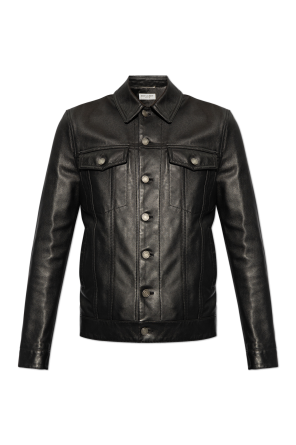
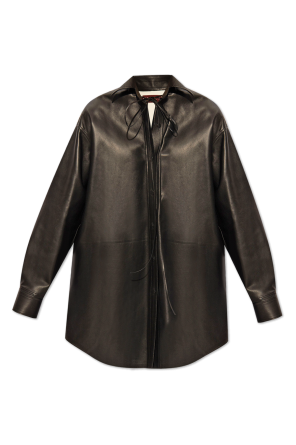
SKÓRA
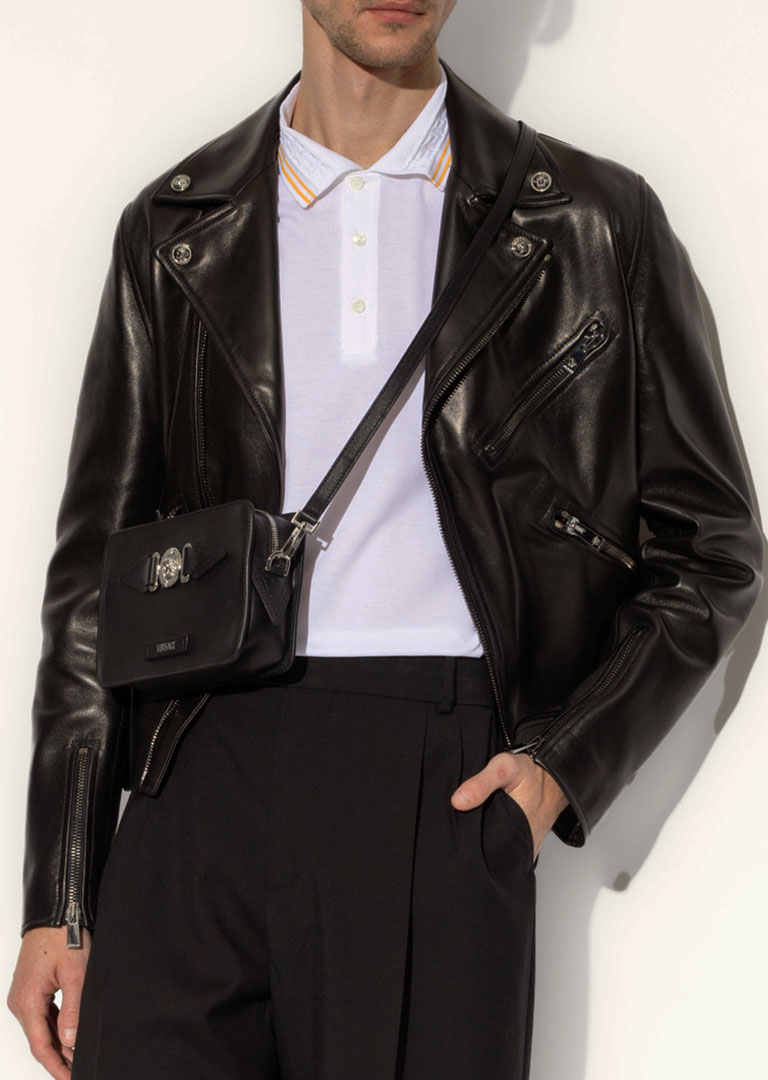
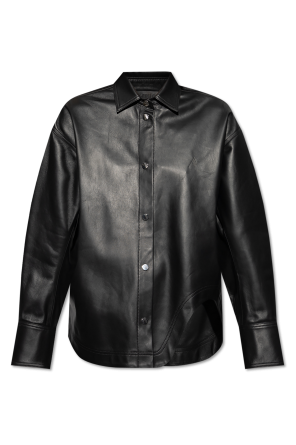
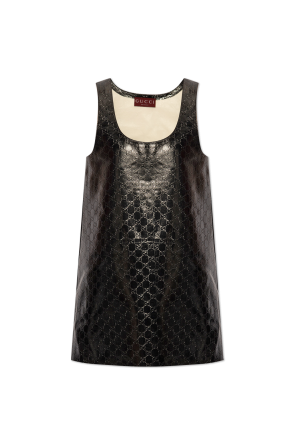
Skóra to delikatny materiał, dlatego jej czyszczenie najlepiej zlecić specjalistom.
Można jednak usunąć z niej powierzchniowy brud czy kurz za pomocą lekko wilgotnej, niekolorowej szmatki. W sytuacji, gdy Wasza skóra przypadkowo się zamoczy, możecie oczyścić ją czystą szmatką, unikając przy tym źródeł ciepła i światła słonecznego. Jeśli chodzi o przechowywanie produktów skórzanych, najlepiej sprawdzi się do tego chłodne i suche miejsce. Zamiast korzystania z plastikowych toreb, które mogłyby spowodować pleśń, użyjcie torby z oddychającej tkaniny lub owińcie skórę czystym bawełnianym prześcieradłem.
Sprawdź najmodniejsze modele ze skóry

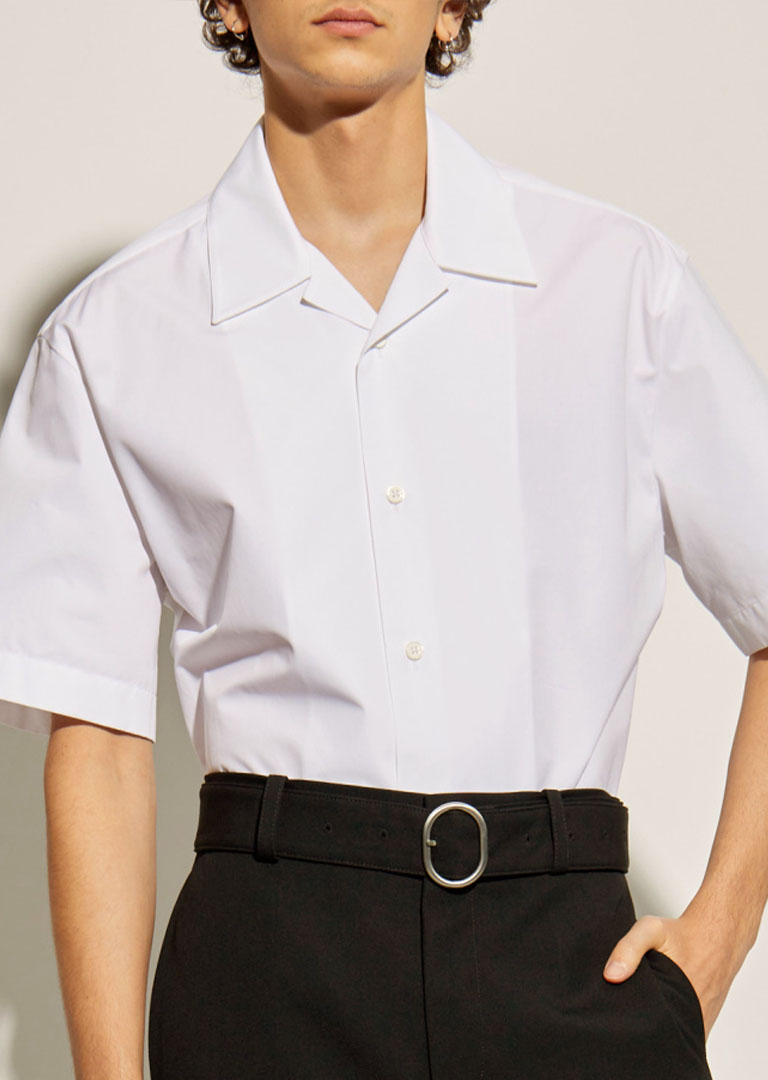
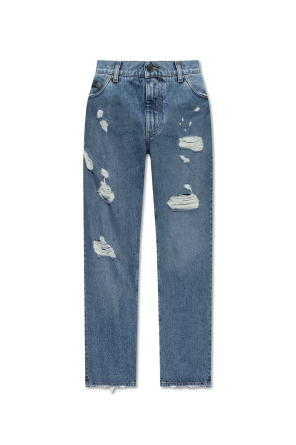
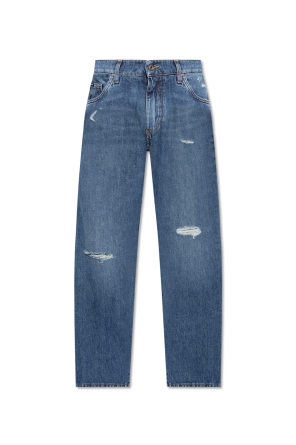
BAWEŁNA
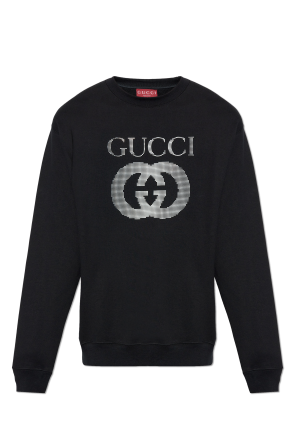
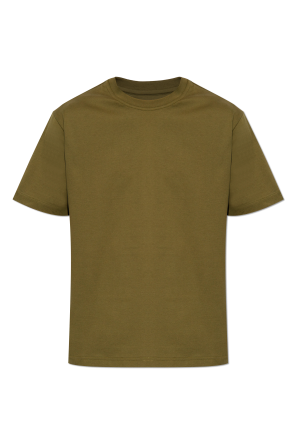
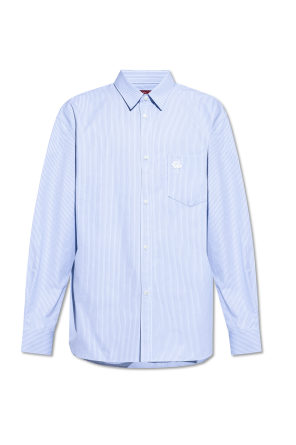
Odzież bawełnianą zazwyczaj można prać w pralce w temperaturze 30°C, używając detergentów do delikatnych tkanin. Ważne jednak, aby przed tym procesem odpowiednio posortować rzeczy według koloru i obrócić je na lewą stronę, by jak najbardziej zminimalizować tarcie. Po praniu, należy natychmiast wyjąć bawełnę z pralki, gdyż jej przetrzymywanie mogłoby spowodować wyraźne zagniecenia. Przed zawieszeniem materiału na suszarce, usuńcie wszelkie skręcenia czy splątania poprzez delikatne potrząsanie. Pamiętajcie, aby suszyć bawełnę z dala od bezpośredniego światła słonecznego i źródeł ciepła, co pozwoli zachować jej jakość i zmniejszyć ryzyko skurczenia. Jeżeli chcecie wyprasować swoją odzież, upewnijcie się najpierw, że jest ona lekko wilgotna. Następnie ustawcie żelazko na średnią temperaturę i zacznijcie prasowanie od takich obszarów jak kołnierzyki czy mankiety, by stopniowo przejść do korpusu.
Odkryj naszych bawełnianych faworytów
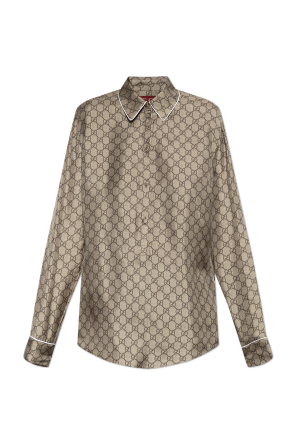
JEDWAB
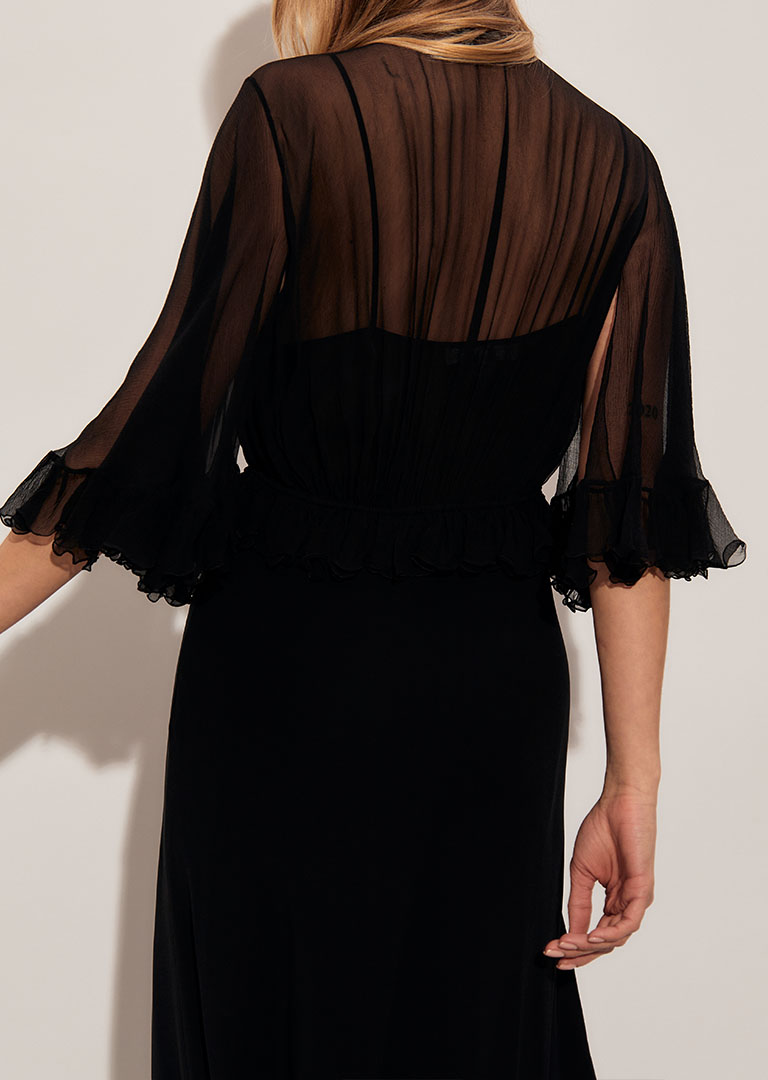
Jedwab to luksusowy, lecz bardzo delikatny materiał, który wymaga równie delikatnej pielęgnacji.
Zaleca się prać go ręcznie w letniej wodzie z dodatkiem specjalistycznego detergentu. Podczas prania, unikajcie jednak pocierania i wykręcania tkaniny, a postarajcie się raczej delikatnie nią obracać. Po kilku minutach, ostrożnie odciśnijcie nadmiar wody, a następnie połóżcie jedwab na czystym, suchym ręczniku. Gdy Wasze ubrania będą już lekko wilgotne, możecie przejść do usuwania zagnieceń, czyli prasowania. Najlepiej użyć parownicy, ale jeśli takiej nie posiadacie, wykorzystajcie klasyczne żelazko. Pamiętajcie, aby ustawić niską temperaturę i prasować materiał przez czystą i wilgotną szmatkę. Delikatnie przesuwajcie żelazko po ubraniu, nie pozostawiając go zbyt długo w jednym miejscu.
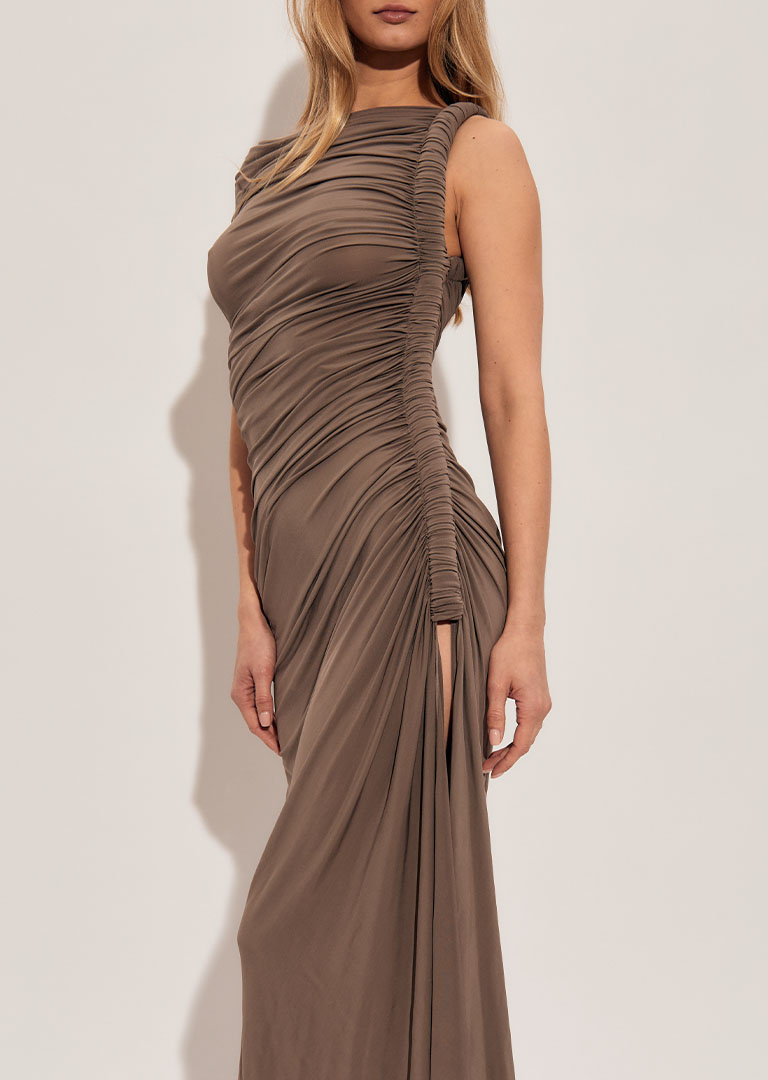
WISKOZA
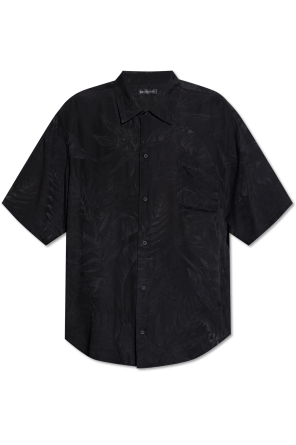
Wiskoza to kolejny materiał, który by zachować swój kształt i wygląd, wymaga szczególnej pielęgnacji. Najlepiej prać wiskozę ręcznie w letniej wodzie przy wykorzystaniu odpowiedniego do tej tkaniny detergentu i - jak w przypadku jedwabiu - należy unikać nadmiernego pocierania i wykręcania. Po praniu, spróbujcie delikatnie odcisnąć nadmiar wody i połóżcie materiał na płasko na suchym ręczniku, po czym zwińcie go ostrożnie, pozbywając się dodatkowej wilgoci. Gdy już to zrobicie, możecie przenieść ubranie, kładąc je płasko na suszarce lub nowym czystym ręczniku.
Odzież z wiskozy łatwo się gniecie, dlatego przed założeniem, warto wygładzić ją żelazkiem. Jeśli posiada ona nadruki czy ozdoby, obróćcie ją na lewą stronę. Następnie ustawcie żelazko na niską temperaturę, połóżcie czystą i suchą szmatkę, i wyprasujcie tkaninę poprzez delikatne dociskanie oraz płynne ruchy.