


- HERREN
- DAMEN
- KINDER
- STREETWEAR CLUB
- DESIGNER
- SALE
NEU
KLEIDUNG
SCHUHE
TASCHEN
ACCESSOIRES
SCHMUCK
DESIGNER
EDITORIAL
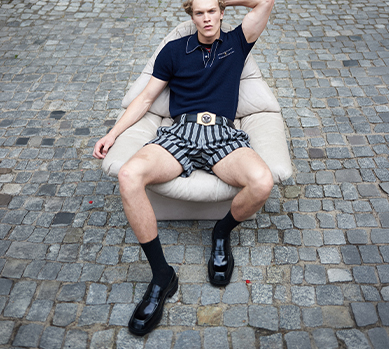
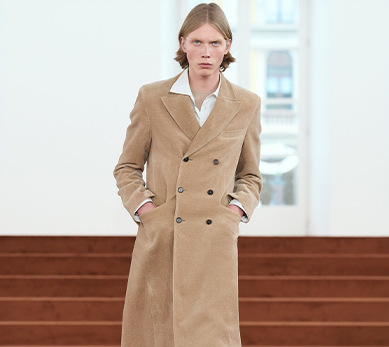
MINIMALISMUS IM MITTELPUNKT
Entdecken Sie Marken, die seit Jahren die Kunst der Einfachheit perfektionieren
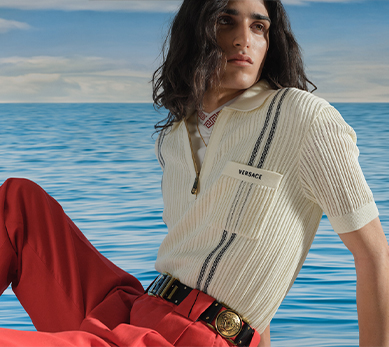
SOMMER-ESSENTIALS
Am Strand oder in einem luxuriösen Resort? Entdecken Sie, was Sie in Ihre Reisetasche packen sollten.
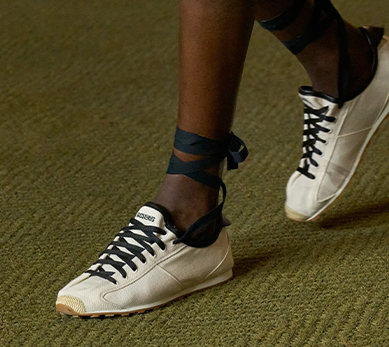
SCHUHE IM RAMPENLICHT
Entdecken Sie die angesagtesten Modelle der Frühling/Sommer-Saison 2026
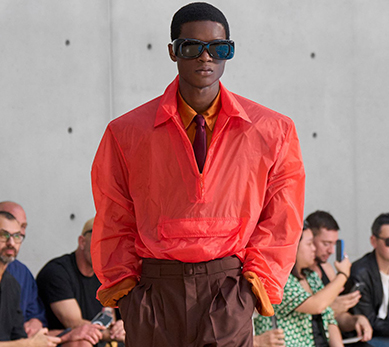
SS26 TRENDREPORT
Weiche Formen und kühne Details – Trends in der Herrenmode
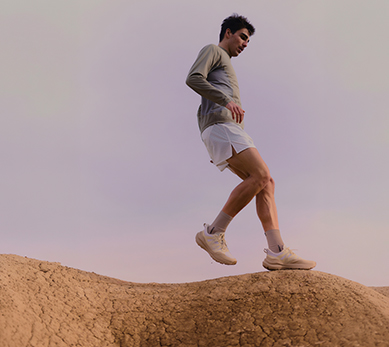
SPORT IST DER NEUE LUXUS
Kleidung für Bewegung – vom Training bis zum urbanen Tagesrhythmus entworfen
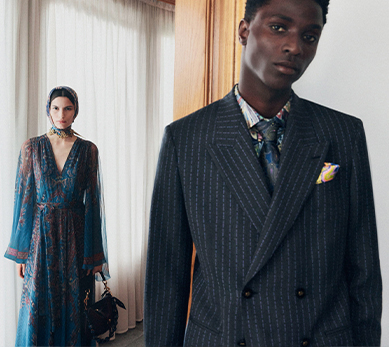
PERFEKTE PASSFORM
Achten Sie auf einen makellosen Stil und hinterlassen Sie einen hervorragenden ersten Eindruck.

NEU
KLEIDUNG
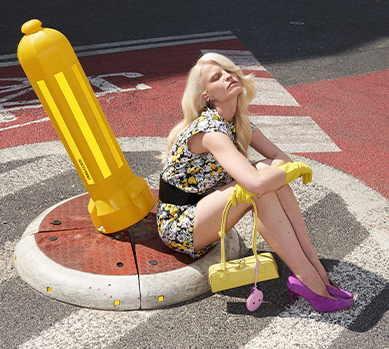
SCHUHE
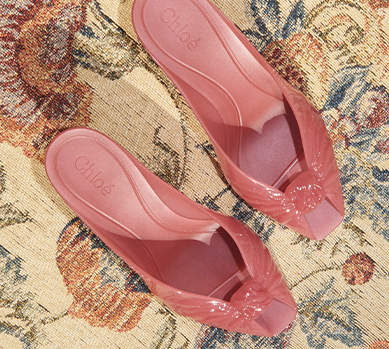
TASCHEN
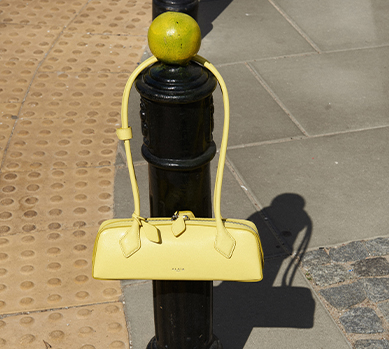
ACCESSOIRES
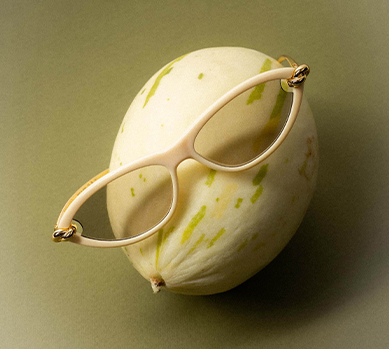
SCHMUCK
DESIGNER
EDITORIAL
MEHR ODER WENIGER
Kühne Extravaganz oder die Kraft der Schlichtheit? Welchen Stil wählst du?
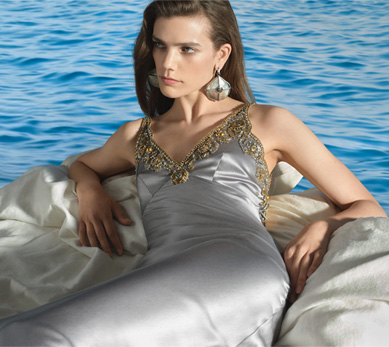
COCKTAIL ATTIRE
Große Anlässe verdienen es, in besonderem Stil gefeiert zu werden. Entdecken Sie Ihre Optionen!
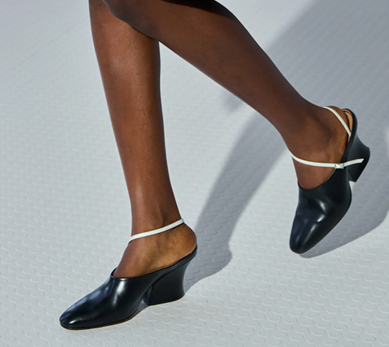
SS26 SCHUHKOLLEKTION
Das i-Tüpfelchen für jeden Sommer-Look. Welches Paar wählst du aus?
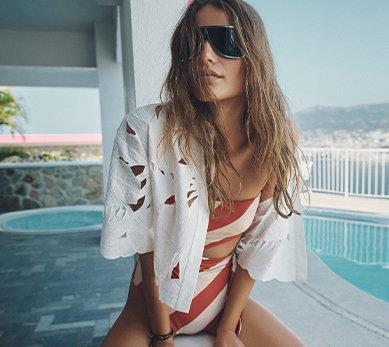
RICHTUNG: STRAND
Entdecke den Strandstil, der zu einem Teil deiner Sommergarderobe wird
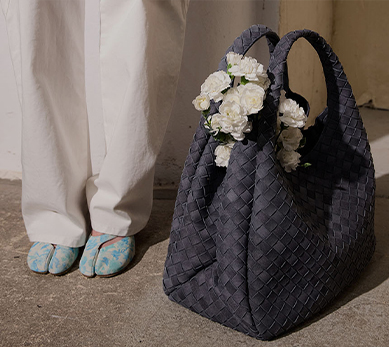
IKONEN DER SAISON: IT-BAGS
Welcher Stil spricht Sie am meisten an?
MODE IN BEWEGUNG
Entdecken Sie, wie Performance und Design in einer modernen Garderobe verschmelzen

NEU
BABY (0-36 MONATE)
KINDERSCHUHE (25-39)

KINDERZUBEHÖR
MÄDCHENKLEIDUNG (4-14 JAHRE)
JUNGENKLEIDUNG (4-14 JAHRE)
DESIGNER
SALE

HERREN
DAMEN
KINDER
"PAINT MEANS BLOOD" - INTERNATIONAL EXHIBITION OF WOMEN'S ART IN THE MUSEUM OF MODERN ART
Culture

50 artists from around the world, with dozens of works foregrounding women. "Paint Means Blood. Woman, affect and desire in contemporary painting" is the title of the newest, most comprehensive international, and probably the most interesting exhibition of 2019, which can be viewed until August 11 at the Museum of Modern Art in Warsaw.
The exhibition is a collection of over a hundred works by artists from Poland and abroad, who in various ways try to present women's creativity. The dominant themes are issues of women as subjects entangled in the struggle between domination and submission. Another important motif is the image of polemics with stereotypes about pleasure and violence.
The starting point for the exhibition's research were social changes and an incredible mobilization of women in political life in the last decade. "Together with the artist, I tried to look at two aspects of private life: the experience of pleasure and violence, personal violence, individual, but also structural and systemic, which has become an integral part of public debate," says Natalia Sielewicz, the curator of the exhibition.
Paint Means Blood - women's subject entangled between domination and submission


Photo by Marta Ejsmont
Natalia Sielewicz adds that the aim of the exhibition was to show that in the age of digitalization and the dominance of social media, painting is still a very expressive and suggestive form of art.
In the first part of the exhibition, the canvases of Paulina Ołowska, which depict two figures from the Polish art scene - actress Ewa Wawrzoń in a costume from the play "Rhinoceros" by Tadeusz Kantor and Krystyna Mazurówna - Polish dancer, choreographer and writer. The theme of dance is also taken up by the American artist Chelsea Culprit, who depicts go-go dancers in her works. The artist also addresses the theme of consumerism symbolized by fast food.
The painters ask us a question: How does a woman who is an author of erotic depictions look, what does she see and what does she desire? What is the eroticism of her painterly gesture? How to take control over her own image? - says Natalia Sielewicz.
She adds that her research looked at traditions of female portraiture. In historical perspective, it usually came from a male brush. The starting point, as Natalia Sielewicz emphasizes, were surrealist and romantic traditions, which in their time showed the female figure as incomplete and fragmentary, and female sexuality as predatory and destructive. The work of American painter Caitlin Keogh entitled "Sisters" depicts a faceless and headless woman, is a counterpoint to the traditional approach. The same goes for Ewa Juszkiewicz, who in her work "Untitled (Bones)" depicts a woman's bust without a face.
The exhibition's title was borrowed from a book by Zenon Kruczyński. The author described in it what the world of hunters looks like, showing a ritual related to hunting and killing animals. Curator Natalia Sielewicz emphasizes, however, that contrary to stereotypes, the exhibition does not show women in the role of victims.
The exhibition's partners are: Friends of the Museum of Modern Art in Warsaw, British Council and VITKAC.


